
Why Northern Beaches Drivers Get More Windscreen Damage

Rao Hasnain • July 9, 2026

Share this article

Northern Beaches Drivers Get More Windscreen Damage

If you have lived on the Northern Beaches for more than a summer, you have probably noticed something: windscreens here just don't seem to last as long as they do out west. A chip that would sit quietly for years in Parramatta somehow turns into a spreading crack within weeks in Freshwater or Avalon. It's not your imagination, and it's not bad luck, it's the environment.


Here's what's actually going on, and what you can do about it before a small chip becomes an expensive replacement.

1. Salt Air Is Attacking Your Seals and Glass Edges

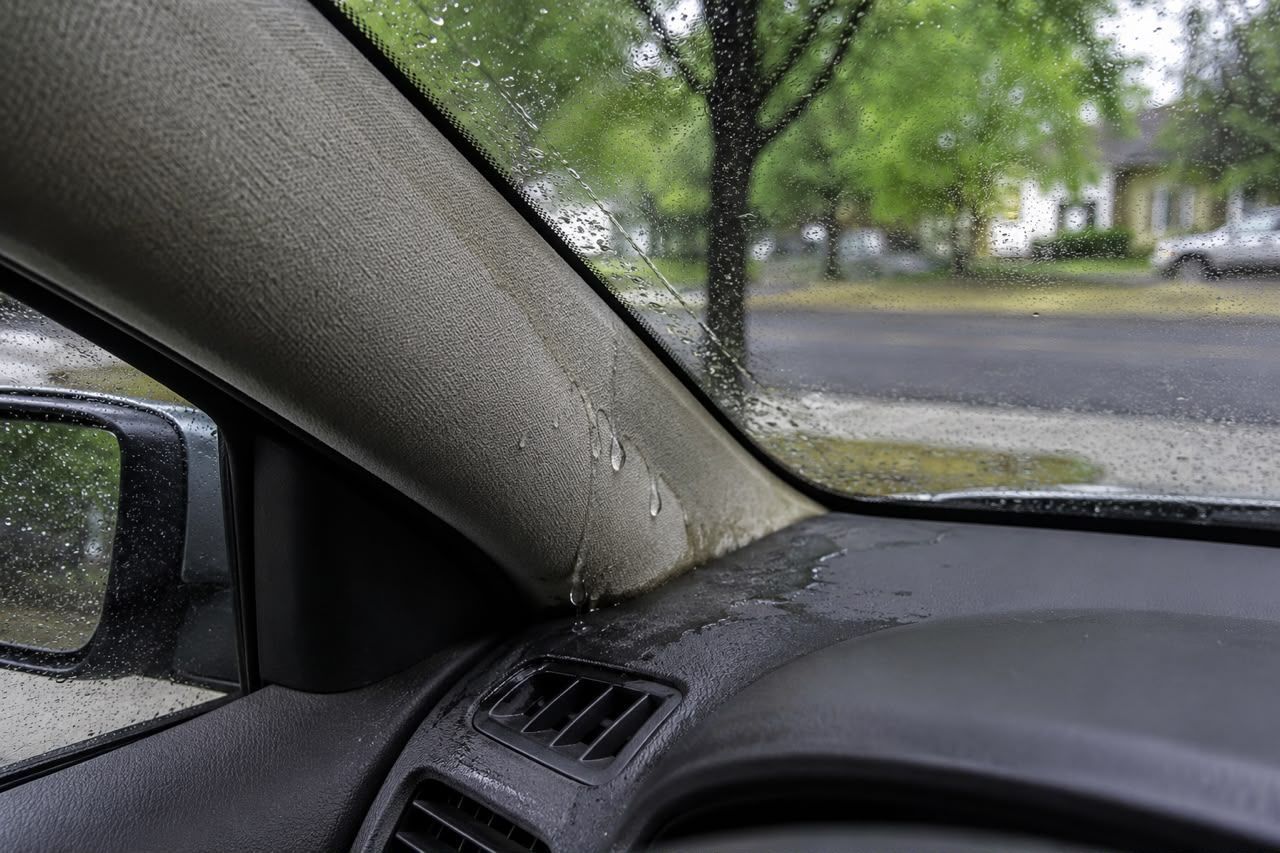
Living near the coast means your car is constantly exposed to fine, salt-laden sea air, even if you are parked well back from the beach. Salt is corrosive, and over time it works its way into the rubber seals around your windscreen, causing them to harden, crack, and lose their grip on the glass


Once a seal starts to fail, two things happen: moisture gets in, and the windscreen loses some of the structural support that keeps it firmly bonded to the frame. A windscreen with a compromised seal is far more likely to develop stress cracks from ordinary vibration and temperature change,  the kind of everyday driving that a healthy seal would easily absorb.


This is especially common for cars regularly parked near Manly, Dee Why, Collaroy, Mona Vale Beach, and Avalon, where the salt exposure is highest.

2. UV Exposure Is Higher on Windscreen Glass

The Northern Beaches gets significantly more direct coastal sun exposure than many inland Sydney suburbs, and UV radiation doesn't just fade your dashboard, it also affects the plastic interlayer inside your laminated windscreen. Over years of exposure, that interlayer can become more brittle, which reduces the glass's ability to flex slightly under impact without cracking.


Combine that with the classic "hot day, sudden downpour" pattern common in coastal Sydney summers, and you get rapid expansion and contraction cycles that put real stress on glass that's already had years of UV exposure. It's a slow process, but it adds up.

3. Coastal Roads Mean More Loose Stone Chip

Routes like Pittwater Road, Mona Vale Road, and Wakehurst Parkway carry a lot of daily traffic, plus council roadworks, sandy verges, and bushland edges that regularly deposit loose gravel and small stones onto the road surface. A stone kicked up by the car in front at 70–80km/h is one of the most common causes of windscreen chips we see across the Northern Beaches.


On their own, small chips are usually repairable. Left untreated, though, they're far more likely to spread, particularly once temperature swings and seal degradation (see point 1) are already working against the glass.

4. Prestige Vehicles Means More ADAS Complexity

The Northern Beaches has a higher-than-average concentration of newer vehicles fitted with Advanced Driver Assistance Systems (ADAS), lane departure warnings, forward collision alerts, and camera-based cruise control, all of which typically rely on a camera mounted behind the windscreen.


This matters for two reasons. First, any windscreen replacement on these vehicles needs to be done with ADAS-aware installation and, in many cases, recalibration, a step that's easy to skip if you're not working with a specialist. Second, it means the cost of getting a replacement wrong (or having sensors misaligned) is higher than it used to be, which makes choosing the right technician more important than ever.

So What Should You Actually Do About It?

  • Don't ignore small chips. A stone chip smaller than a $1 coin can often be repaired quickly and affordably if caught early, before coastal conditions cause it to spread into a crack that requires full replacement.


  • Get your seals checked periodically, especially if your car is a few years old and regularly parked outdoors near the coast. A failing seal is one of the most preventable causes of windscreen problems in this area, and it's often addressed with resealing rather than a full glass replacement.


  • Choose OEM-grade glass and ADAS-aware installation if you do need a replacement. Cheaper aftermarket glass and generic installation methods might save money upfront, but they're more likely to develop the same problems again, faster, thanks to the local conditions.


  • Act quickly if damage is in your line of sight. Beyond the safety risk, driving with a windscreen defect in the driver's field of view can result in a defect notice under NSW roadworthiness rules. It's worth getting it looked at sooner rather than later; see Transport for NSW for current vehicle standards guidance.

Local, Mobile, and Built for These Conditions

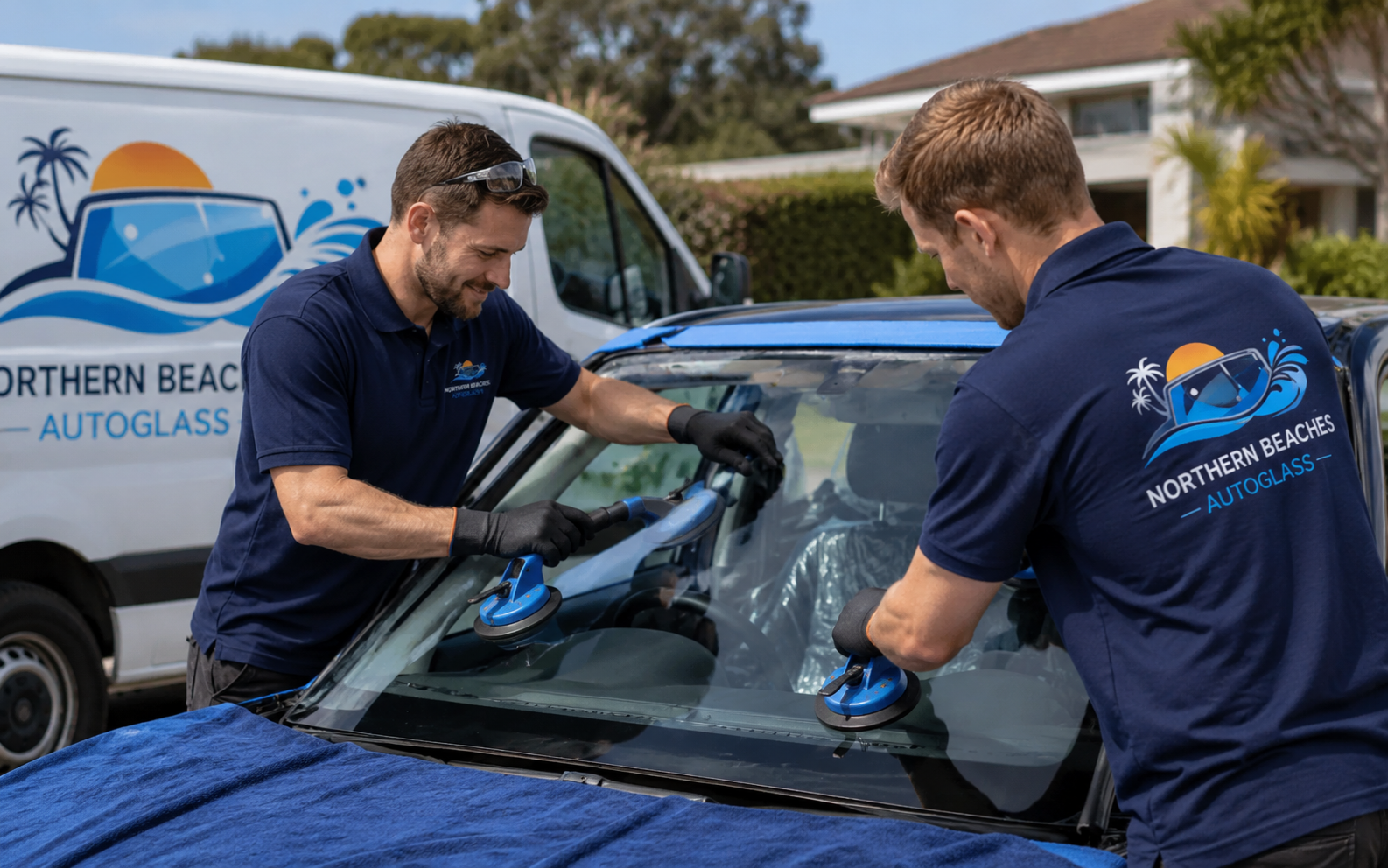
At Northern Beaches AutoGlass, this is genuinely what we specialise in, not just windscreen replacement in general, but windscreen replacement for coastal conditions. Every job includes a free rubber seal health check; we only use OEM-grade glass, and our installations follow ADAS-aware procedures for modern vehicles.


We come to your home, office, or driveway anywhere across the Northern Beaches, including:


If you have noticed a chip that's been sitting there a little too long, or you're just not sure whether your seals are still doing their job, get in touch for a free assessment; it's much cheaper to catch these things early.

Recent Posts

Silver SUV with frosted windshield and sunlight glare parked outdoors
By Northern Beaches AutoGlass May 17, 2026
Coastal UV exposure can weaken your windscreen over time, causing fading, stress cracks, and reduced clarity, affecting overall driving safety and durability.

By Tori Klein May 17, 2026
The new season is a great reason to make and keep resolutions. Whether it’s eating right or cleaning out the garage, here are some tips for making and keeping resolutions.
By Tori Klein May 17, 2026
There are so many good reasons to communicate with site visitors. Tell them about sales and new products or update them with tips and information.
By Tori Klein May 17, 2026
Write about something you know. If you don’t know much about a specific topic that will interest your readers, invite an expert to write about it.