Windscreen Rubber Seal Replacement in Northern Beaches
Leaking Windscreen? Wind Noise at Highway Speeds? Your Rubber Seals Are Trying to Tell You Something
A deteriorating windscreen rubber seal causes problems most drivers don't connect to the seal itself — water pooling on dashboards, whistling at speed, musty odours from hidden mould. Northern Beaches AutoGlass provides professional windscreen rubber seal replacement that eliminates leaks, restores cabin comfort, and protects your vehicle's safety without requiring full windscreen replacement. Our resealing service preserves your existing glass while replacing the worn rubber that's failing around it.
- Same-Day Mobile Service — Home, office, or driveway
- OEM-Grade Glass Only — No cheap aftermarket substitutes
- ADAS-Aware Installations — Safe for modern vehicles
- Lifetime Workmanship Warranty — Written guarantee
- 100% Satisfaction Guarantee — We don't leave until it's right
- All Cars & Vehicles Covered — We replace side windows for all types of cars and vehicles
Northern Beaches drivers trust our rubber resealing expertise to fix windscreen leaks, eliminate wind noise, and maintain structural integrity — saving money by preserving existing glass. Request your free quote today.
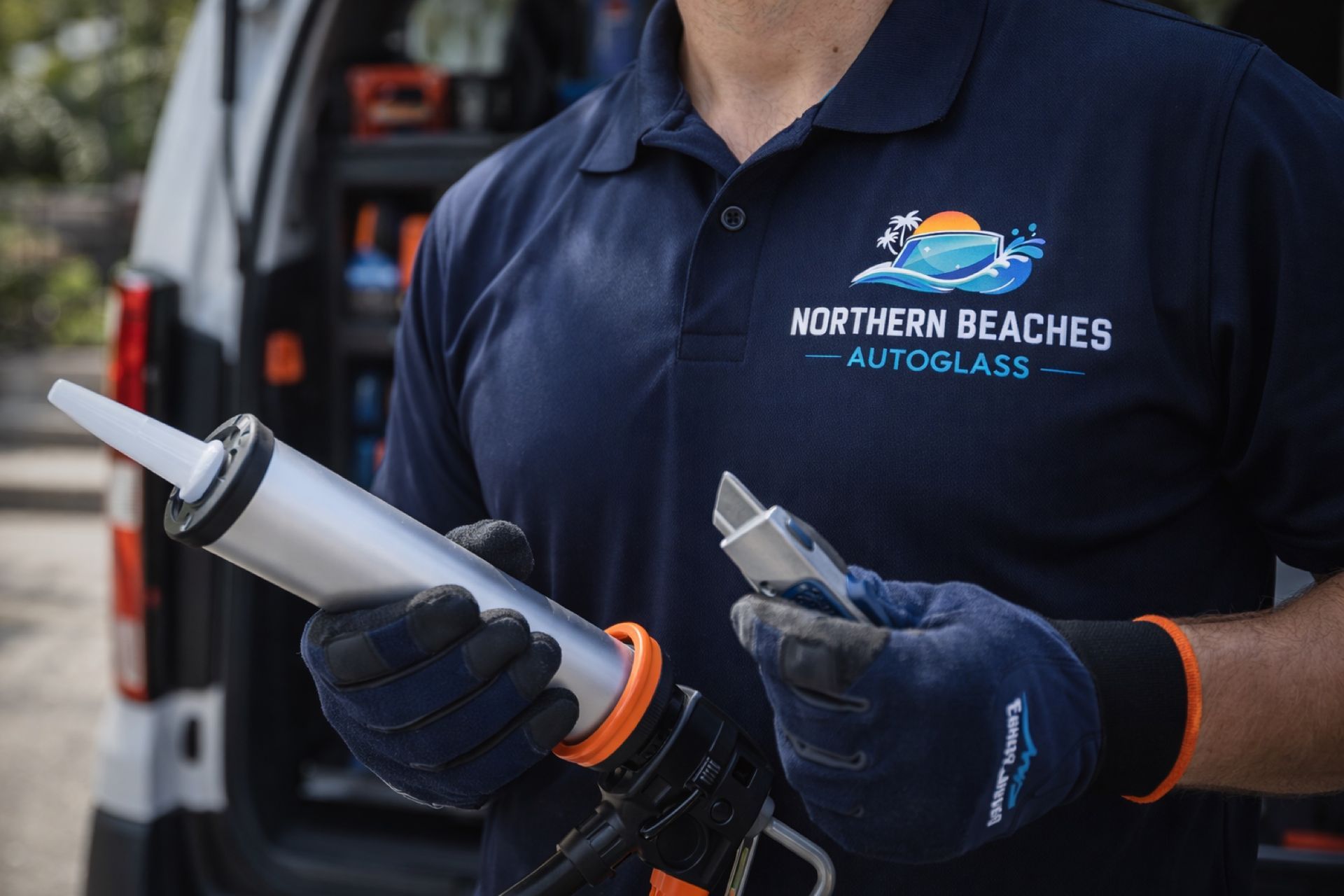
FREE Rubber Seal Health Check (Valued at $120)
Included with every windscreen replacement — helping prevent wind noise, water leaks, and corrosion caused by coastal conditions. No call-out fees ever!
We Beat Any Written Quote!
Get in touch with us if you have any queries and we will get back to you as soon as possible.
Contact Us
We will get back to you as soon as possible.
Please try again later.
WHO WE ARE
The Hidden Damage Happening Behind Your Windscreen Seal
Most drivers never think about the rubber strip surrounding their windscreen until something goes wrong. A damp patch appears on the dashboard after overnight rain. A high-pitched whistle develops above 60km/h that grows louder each week. A faint musty smell lingers no matter how often you clean the interior. These symptoms share a single cause — a windscreen rubber seal that's lost its ability to keep the outside world out.
Rubber seals perform a critical role that goes far beyond weather protection. Your windscreen rubber holds the glass firmly against the vehicle frame, maintaining the structural strength your car depends on during accidents.
A properly sealed windscreen contributes up to 30% of cabin rigidity during a rollover. When seals deteriorate, the glass shifts microscopically. Airbag deployment reliability decreases. Roof crush resistance weakens. Your car's windscreen safety systems lose the foundation they need to protect you.
Northern Beaches conditions destroy rubber seals faster than almost anywhere in Sydney. Salt air, intense UV exposure, and humidity create a triple assault that degrades rubber compounds years ahead of manufacturer expectations.
Why Northern Beaches Vehicles Need Seal Replacement Sooner
Coastal proximity accelerates rubber deterioration at a rate inland drivers rarely experience. Salt-laden air attacks rubber compounds chemically, reducing flexibility by up to 40%. UV radiation from direct sun exposure breaks down the molecular structure of rubber seals, creating brittle spots and visible cracks across the seal surface.
Temperature cycling between cool ocean breezes and hot afternoon sun causes repeated expansion and contraction. Over months and years, this cycling creates micro-gaps between seal and glass that allow water leaks. The Northern Beaches combination of salt, sun, and humidity means rubber seals that might last 10 years in western Sydney often need rubber seal replacement after 5-7 years on the coast.
Driving on Pittwater Road, Wakehurst Parkway, and other Northern Beaches routes adds vibration stress. Road debris and grit work into seal edges, accelerating deterioration. Each small breach allows moisture behind the seal where it promotes corrosion against the metal frame — damage invisible until the seal is removed.
Common Signs Your Windscreen Rubber Seal Needs Replacement
Recognising Seal Failure Before Costly Damage Occur
Windscreen seal deterioration develops gradually, making early detection essential. Catching problems before water leaks reach electronics or mold growth establishes in hidden cavities saves significant expense. Knowing what to look for helps you act before minor wear becomes costly repairs.
Water Inside Your Vehicle
The most obvious sign of seal failure. Water appearing on dashboards, around A-pillars, or pooling in footwells after rain indicates the windscreen seal has lost watertight integrity. Even small amounts of moisture signal breaches that will worsen.
Wind Noise at Speed
A well sealed windscreen sits flush with the vehicle frame, creating an airtight barrier. When rubber seals shrink, harden, or crack, gaps develop that allow air penetration. The resulting whistle or rush of wind noise typically increases with speed and worsens over time.
Visible Seal Deterioration
Inspect the rubber strip around your windscreen regularly. Look for visible cracks, brittle spots, sections pulling away from glass or frame, discolouration, or hardened areas that lack flexibility. Healthy rubber seals feel pliable when pressed. Deteriorated seals feel rigid and crack under slight pressure.
Musty Odours
Persistent musty or damp smells inside your vehicle suggest moisture entering through failed seals and being trapped in insulation, carpets, or behind interior panels. By the time odours develop, water damage and potential mold growth have already progressed.
Dashboard or Interior Staining
Water marks, mineral staining, or discolouration around the base of your windscreen glass indicate ongoing water intrusion through the seal perimeter.
Rattling or Vibration
A secure windscreen sits firmly within its frame. Loose rubber seals allow glass movement that produces subtle rattles or vibrations, particularly on rough Northern Beaches road surfaces.
When Resealing Works vs When You Need Windscreen Replacement
Not all windscreen problems require glass replacement. Rubber seal replacement addresses seal-related issues while preserving your existing glass — a significantly more affordable solution.
Resealing suits situations where the windscreen glass itself remains undamaged but the surrounding seal has failed. Water leaks, wind noise, and cosmetic seal deterioration all respond well to professional rubber resealing when the glass is intact and properly positioned.
Windscreen replacement becomes necessary when glass damage exists alongside seal failure, or when the vehicle's windscreen has shifted within the frame due to prolonged seal deterioration. Our experienced technicians assess both glass and seal condition honestly, recommending the solution that actually addresses your problem.
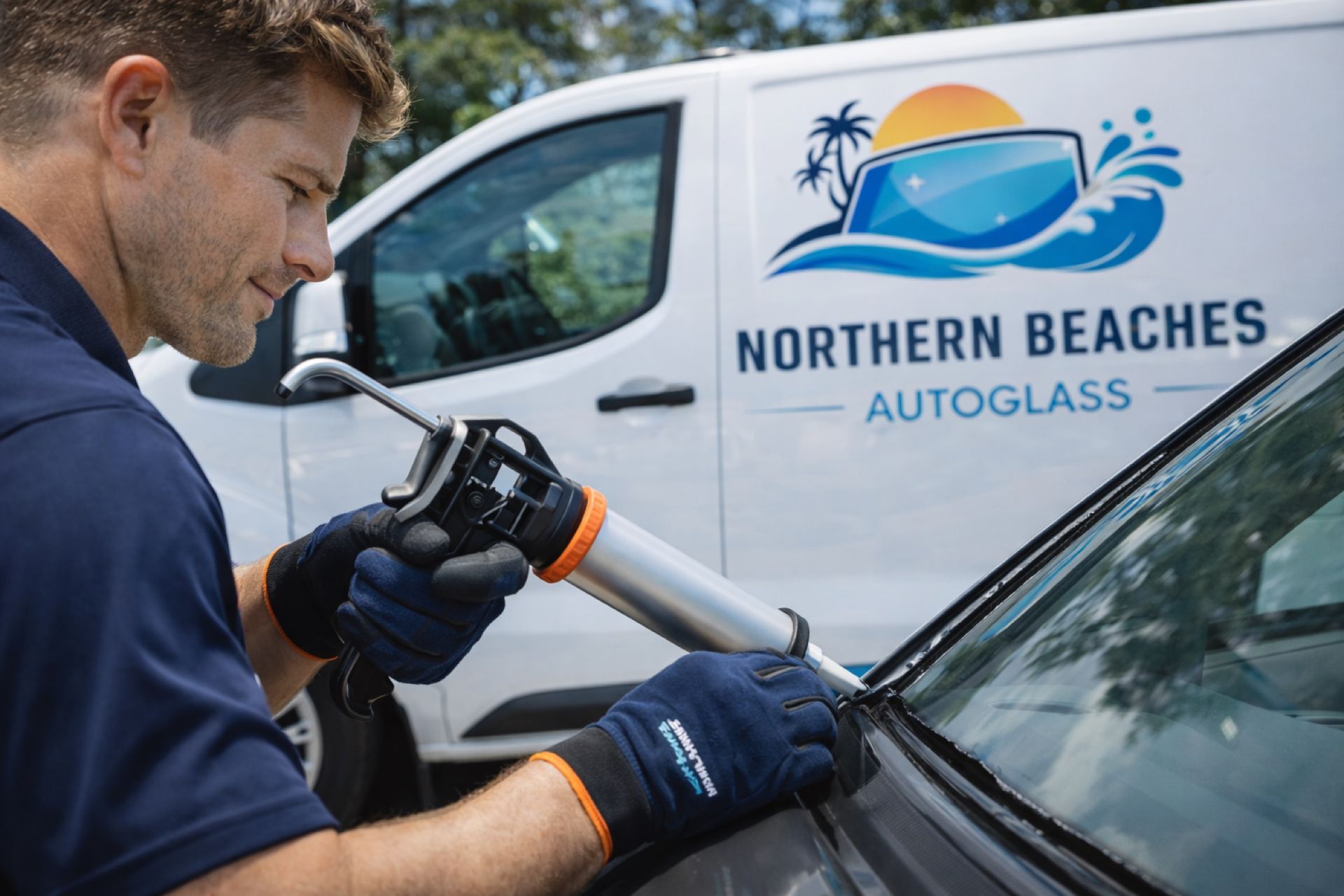
Our Professional Rubber Seal Replacement Process
1
Comprehensive Inspection
Every resealing service begins with thorough assessment. Our experienced technicians examine the entire seal perimeter, identifying all areas of deterioration including brittle spots, gaps, cracks, and sections where the existing rubber seal has separated from glass or frame.
The windscreen glass is inspected for damage, alignment, and condition. Frame surfaces are checked for corrosion — common in Northern Beaches vehicles where moisture has penetrated behind failing seals. You receive a clear explanation of findings and honest recommendation before any work begins.
2
Vehicle Protection
Before seal removal begins, we protect your vehicle's interior and exterior surfaces. Dashboard, seats, and surrounding paintwork receive protective covering. Wipers and relevant trim pieces are removed carefully to access the full seal perimeter without risking scratches or damage.
3
Old Seal Removal
Our technicians carefully remove the old seal using professional trim tools. The existing rubber seal comes away in sections, revealing the condition of the underlying frame and adhesive bed. For polyurethane-bonded seals, specialist cutting tools separate the old sealant without disturbing the windscreen glass position.
This step requires patience and precision. Rushing removal risks scratching windscreen glass or damaging the pinchweld — the metal frame channel that holds your windscreen in place.
4
Surface Preparation
With the old seal removed, we clean the entire bonding surface thoroughly. Old adhesive residue, corrosion, and debris are removed using isopropyl alcohol and specialised cleaners. Any surface rust on the frame receives treatment to prevent further damage beneath the new seal.
Fresh primer is applied to both frame and glass edges. Proper surface preparation determines the durability of the new seal bond — skip it, and the replacement seal fails prematurely regardless of material quality.
5
New Rubber Seal Installation
A new windscreen rubber seal matched to your vehicle's specifications is fitted with precision. We use EPDM rubber compounds rated for UV resistance and temperature ranges from -40°C to 120°C — essential durability for Northern Beaches weather conditions.
For adhesive-bonded applications, high-strength polyurethane sealant creates a continuous bond around the entire perimeter. The new seal is pressed firmly into position, ensuring a perfect fit with consistent contact between glass, seal, and frame. The result is a secure windscreen that maintains structural integrity and keeps various weather conditions firmly outside.
6
Quality Testing
Before completing any job, we test the new seal thoroughly. Water spray testing at controlled pressure confirms watertight integrity around the entire perimeter. We verify the windscreen sits flush within the frame — alignment within 1mm prevents wind noise at highway speeds.
All trim, wipers, and components are reinstalled and tested. You receive guidance on post-service care including avoiding car wash visits and door slamming for 24-48 hours while sealant reaches full cure strength.
Suspect Your Windscreen Seal Is Failing?
Book a FREE Rubber Seal Health Check today.
Why Rubber Seals Fail Faster on the Northern Beaches
Salt Air Degradation
Ocean proximity means salt particles constantly settle on rubber seals, breaking down compounds and reducing elasticity. Rubber seals on Northern Beaches vehicles deteriorate significantly faster than those on cars garaged inland. Salt also attacks metal frames beneath seals, creating corrosion that undermines bonding surfaces.
UV Radiation Damage
Intense Australian sunlight hits Northern Beaches vehicles year-round. UV breaks down rubber at the molecular level, creating brittle spots and surface cracking. Vehicles parked in direct sun at Dee Why, Manly, or Palm Beach face accelerated UV damage compared to those garaged or parked in shade.
Thermal Cycling Stress
Temperature swings between cool coastal mornings and hot afternoons cause repeated seal expansion and contraction. Over time, this cycling creates permanent deformation and micro-gaps. Northern Beaches weather conditions make this cycling more extreme than sheltered inland areas.
Coastal Humidity
Persistent moisture in the air keeps seal surfaces damp, promoting accelerated ageing. Humidity also allows mold growth on seal surfaces and behind failing sections where moisture becomes trapped.
Road Vibration
Frequent driving on Pittwater Road, Wakehurst Parkway, and Warringah Road creates constant vibration that loosens seal bonds over time. Heavy traffic, road imperfections, and speed changes all stress the connection between seal, glass, and frame.
Previous Poor Installation
Some vehicles arrive at our workshop with seals poorly installed during previous windscreen replacement. Inadequate adhesive, incorrect seal profiles, or skipped primer application lead to premature failure, sometimes within just 1-2 years.
Resealing Service vs Full Windscreen Replacement — Which Saves You Money
Many drivers assume water leaks or wind noise mean they need an entirely new windscreen. Rubber seal replacement often solves these problems at a fraction of windscreen replacement cost, preserving your existing glass and avoiding frequent replacements.
Professional resealing typically costs $150 to $350 depending on your vehicle and seal type. Full windscreen replacement ranges from $300 to $1,200 or more depending on vehicle specifications. When your windscreen glass remains undamaged, rubber resealing delivers the same result — a secure fit with watertight, airtight protection — while saving money and maintaining your vehicle's original glass.
Cost transparency matters. We explain all costs upfront before work begins with no hidden charges or unexpected additions. Your free quote covers the complete resealing process including materials, labour, and testing.
When rubber seal replacement is the right choice:
- Water leaks around the windscreen perimeter with undamaged glass
- Increasing wind noise at highway speeds
- Visible seal cracking, hardening, or separation
- Musty interior odours from moisture intrusion
- Preventive maintenance before broken seals cause further damage
When windscreen replacement becomes necessary:
Seal replacement can't address cracked or chipped windscreen glass, glass that has shifted significantly within the frame, or situations where frame corrosion has compromised the mounting surface beyond repair. Our professional team evaluates honestly and recommends only the service your vehicle actually requires.
Maintaining Your Windscreen Seal for Maximum Durability
Professional rubber seal replacement provides years of reliable protection, but regular maintenance extends that lifespan further. Simple habits help your new rubber seal maintain its integrity against Northern Beaches conditions.
Avoid harsh chemical cleaners
Some car wash products contain solvents that attack rubber compounds. Use pH-neutral cleaning products on and around windscreen seals. When visiting an automatic car wash, ensure high-pressure jets don't directly target seal edges.
Park in shade when possible
UV degradation is the primary cause of seal failure. Parking in garages, under cover, or using windscreen sunshades significantly reduces UV exposure and extends seal life.
Inspect seals regularly
A quick visual check every few months catches early deterioration before it progresses. Look for visible cracks, gaps, hardening, or discolouration. Press the seal gently — healthy rubber flexes and returns to shape.
Address chips promptly
Small windscreen chips near seal edges can compromise the seal zone. Prompt chip repair prevents damage from reaching the critical bonding area.
Regular maintenance
Inspections from our experienced technicians catch problems early. Our FREE Rubber Seal Health Check identifies developing issues before they create water damage or compromise your vehicle's windscreen integrity.
Windscreen Rubber Resealing Cost and Insurance
Windscreen resealing costs vary based on vehicle type, seal configuration, and the extent of deterioration requiring attention. Standard rubber seal replacement for most vehicles ranges from $150 to $350.
Factors affecting pricing include the vehicle's windscreen size, seal type (rubber gasket versus polyurethane adhesive), extent of frame corrosion requiring treatment, and whether specialist seal profiles need sourcing for unusual vehicle specifications. You receive a detailed free quote with all costs upfront before committing to any work.
Insurance coverage for windscreen seal replacement depends on your policy type and the circumstances causing seal failure. Some comprehensive policies cover window seal replacement when linked to insurable events like storm damage or vandalism. Standard wear-and-tear deterioration typically falls outside insurance coverage.
Regardless of insurance applicability, seal replacement represents excellent value. The cost of professional rubber resealing is far less than repairing water damage to electronics, remediating interior mold, or replacing corroded frame components that result from leaving broken seals unaddressed. Investing in timely seal replacement prevents costly repairs down the track.
Mobile Windscreen Rubber Resealing Across Northern Beaches
Workshop visits aren't always practical. Northern Beaches AutoGlass brings our resealing service directly to your location — home, workplace, or wherever your vehicle is parked. Our mobile units carry all equipment, materials, and testing tools needed for professional rubber resealing on-site.
The meticulous process follows identical standards whether performed in our workshop or at your driveway. Surface preparation, seal installation, and quality testing receive the same attention regardless of location. Your driving experience improves immediately — no more leaks, whistles, or rattling from loose windscreen frames.
Mobile service is especially convenient for Northern Beaches residents across Manly, Dee Why, Mona Vale, Palm Beach, and surrounding suburbs. Most windscreen rubber replacement takes 45-90 minutes, making it easy to schedule during a lunch break or while you work from home.
Our comprehensive services cover all vehicle types from compact cars to commercial vehicles. The same meticulous process, advanced techniques, and quality materials apply across every vehicle we service.
What Northern Beaches Drivers Ask
Windscreen Rubber Seal Replacement FAQs
How do I know if my windscreen seal needs replacing?
Common signs include water leaks around the windscreen, increasing wind noise at speed, visible cracks or hardening in the rubber, musty interior odours, and the seal pulling away from glass or frame. If you notice any of these symptoms, book a free quote for inspection and assessment.
How long does windscreen rubber seal replacement take?
Most resealing work takes 45-90 minutes depending on your vehicle and the extent of seal deterioration. Sealant requires 1-2 hours of curing time after installation. We provide specific guidance on when your vehicle is ready to drive.
Can you reseal without removing the windscreen?
In most cases, yes. The resealing process replaces the seal around the existing glass without disturbing the windscreen position. However, if inspection reveals the glass has shifted or frame damage exists beneath the seal, windscreen removal may be necessary.
How long does a new rubber seal last?
Quality EPDM rubber seals typically last 7-10 years under normal conditions. Northern Beaches coastal exposure may reduce this to 5-7 years. Regular maintenance and UV protection extend seal life significantly.
Will resealing fix my windscreen leak?
If the windscreen leak originates from seal failure — which is the most common cause — professional rubber seal replacement resolves the problem completely. Our water spray testing confirms watertight integrity before completing the job.
Is windscreen resealing cheaper than full replacement?
Yes. Rubber seal replacement typically costs $150 to $350, compared to $300-$1,200+ for full windscreen replacement. When your existing glass is undamaged, resealing delivers equivalent protection at a fraction of the cost.
Can I do this myself?
DIY windscreen resealing is strongly discouraged. Improper techniques reduce bond strength by 30-40%, leading to premature failure, water leaks, and compromised structural integrity. The windscreen seal plays a crucial role in your car's safety — professional installation with a hassle free experience ensures it performs correctly.
What happens if I ignore a failing seal?
Deteriorating rubber seals allow water intrusion that damages electronics. Preventing mold growth is important here as this could corrode frame surfaces. Over time, a loose seal compromises your vehicle's structural integrity and windscreen stability. Delaying repair always results in more expensive problems. Maintain your seal to maintain your safety.
Do you offer a warranty on resealing work?
All rubber seal replacement includes our lifetime workmanship warranty. Installation quality, seal integrity, and watertight performance are guaranteed. This hassle free warranty reflects our confidence in materials and techniques used.
What should I avoid after resealing?
Avoid car wash visits, high-pressure water, and slamming doors for 24-48 hours while new sealant cures fully. After curing, normal vehicle use resumes. We provide detailed aftercare instructions with every job to ensure maximum durability.

Protect Your Windscreen, Protect Your Vehicle
A failing windscreen rubber seal threatens more than cabin comfort. Structural strength, water protection, and your vehicle's safety all depend on rubber seals maintaining a secure bond between glass and frame. Northern Beaches conditions demand strong seals that can withstand salt, sun, and coastal humidity — and professional installation that ensures they perform.
Northern Beaches AutoGlass delivers expert windscreen rubber seal replacement across Manly, Dee Why, Mona Vale, Palm Beach, and surrounding suburbs. Our mobile resealing service brings professional equipment and quality materials to your location. Vehicle remains safe, dry, and comfortable after every job.
Northern Beaches Local Offer
FREE Rubber Seal Health Check (Valued at $120)
Available to all Northern Beaches drivers — identify seal wear before it causes water damage, wind noise, or structural compromise.
Why Book With Us
- Same-day mobile service available
- OEM-grade glass only — no shortcuts
- ADAS-aware installations for modern vehicles
- Lifetime workmanship warranty
- Insurance support available
Book your windscreen rubber seal replacement today — and enjoy a quieter, drier, safer driving experience.