
How Poor Windscreen Sealing Can Lead to Wind Noise and Interior Damage
A windscreen does more than provide a clear view of the road. Its seal helps keep the cabin protected from wind, rain, moisture and outside noise, yet sealing problems can easily go unnoticed after installation. A poorly sealed windscreen may eventually produce irritating wind noise, water leaks and damage to interior surfaces. Understanding these warning signs can help drivers address sealing problems before they become more expensive or disruptive.
How a Windscreen Seal Protects Your Vehicle
A properly fitted windscreen creates a secure barrier between the vehicle’s interior and the outside environment.
The seal does more than stop rain
When a windscreen is installed, the glass must form a consistent, secure bond with the vehicle body. Depending on the vehicle, this involves specialised adhesives, mouldings or rubber components that help maintain a continuous seal around the glass. When these components are correctly fitted, outside air and moisture are kept where they belong.
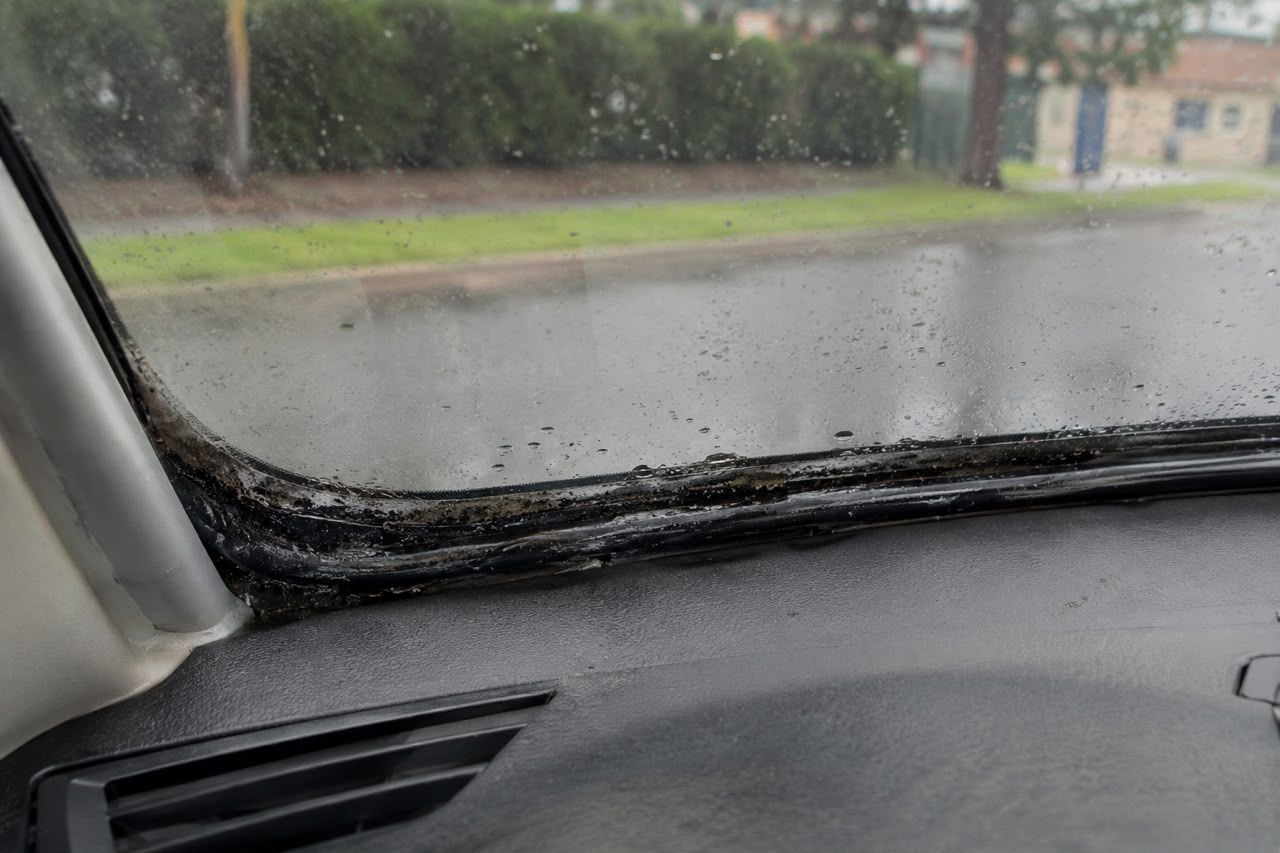
A damaged or poorly installed seal can create tiny openings around the windscreen. These gaps may be too small to notice visually, but air moving across the vehicle at higher speeds can pass through them. The result can be a faint hiss, whistle or rushing sound that becomes increasingly obvious when travelling on motorways or exposed roads.
Wind noise is sometimes mistaken for a problem with the vehicle’s doors, windows or mirrors. However, if the noise began shortly after a windscreen replacement or becomes louder as speed increases, the windscreen seal deserves attention. A professional inspection can help determine whether the sound is related to sealing, another part of the vehicle or a combination of factors.
Why coastal conditions make sealing particularly important
Vehicles around Sydney’s Northern Beaches regularly experience salt-heavy air, UV exposure and coastal moisture. These conditions can accelerate deterioration of rubber and other sealing materials, especially when existing damage or ageing has already weakened the area around the glass. Northern Beaches AutoGlass specifically highlights the local effects of salt air, UV exposure and coastal moisture on windscreens and seals.
Moisture is particularly concerning because water does not always appear inside the vehicle immediately. It can enter through a small opening and travel along trim, beneath interior materials or into areas that are difficult for the driver to see. By the time a visible stain appears, moisture may have been entering for much longer than expected.
For this reason, a windscreen replacement should involve more than simply fitting a new piece of glass. The surrounding seal, bonding area and vehicle body should be inspected carefully before the installation is completed.
How Poor Sealing Can Create Wind Noise and Interior Damage
Poor windscreen sealing can affect a vehicle in several ways, and the earliest symptoms are not always dramatic.
Wind noise can be an early warning sign
One of the most recognisable symptoms of a sealing problem is unusual noise at higher speeds. A correctly sealed windscreen should not create a noticeable whistle simply because the vehicle is travelling faster. If a small gap exists, however, passing air can create turbulence that produces a persistent sound.
The sound may change depending on wind direction, vehicle speed and road conditions. Drivers might notice it only when travelling above a particular speed or when driving into a strong headwind. This can make the issue difficult to reproduce during short trips around local streets.
A new windscreen that suddenly produces unusual wind noise should be checked rather than ignored. The issue may be related to the seal, adhesive, moulding or alignment. Identifying the cause early can prevent further deterioration and help maintain a comfortable, quieter cabin.
Water can enter through surprisingly small gaps
A windscreen seal does not need to have a large visible opening for water to enter. During heavy rain, water can be pushed into small weaknesses by pressure and gravity. Once inside, it can follow hidden pathways around the windscreen frame.
Drivers may first notice dampness around the dashboard, A-pillars, roof lining or floor. In other cases, there may be a musty smell without an obvious wet patch. Persistent moisture can contribute to staining, deterioration of interior materials and unpleasant odours.
Water entering around the windscreen can also become particularly difficult to diagnose because the visible evidence may appear some distance from the original entry point. A wet carpet, for example, does not necessarily mean the water entered through the floor or door.
Interior damage can develop gradually
Repeated exposure to moisture can affect fabrics, trim and other interior components. Water may stain roof lining, leave marks on dashboard areas or contribute to corrosion around metal components. If moisture remains trapped beneath trim, it may also encourage mould or unpleasant smells.
The longer a leak continues, the greater the potential for secondary damage. This is why a small leak should not be treated as merely an inconvenience. Repairing the source is important, but drying and checking affected areas may also be necessary if water has already entered the cabin.
A windscreen rubber resealing service can be appropriate in situations where the existing glass remains suitable but the surrounding seal has deteriorated. Northern Beaches AutoGlass identifies worn seals as a potential cause of wind noise and water leaks and offers rubber resealing to help restore proper sealing without automatically replacing otherwise serviceable glass.
Preventing Sealing Problems During Windscreen Replacement
Correct installation is one of the most effective ways to reduce the risk of future wind noise and water leaks.
Preparation affects the finished seal
Before new glass is installed, the damaged windscreen and old adhesive must be removed carefully. The surrounding area needs to be clean and suitable for bonding, while existing corrosion, damaged trim or deteriorated sealing components may require attention.
If preparation is rushed, the new glass may not sit or bond correctly. Even when the installation looks neat from the outside, imperfections beneath the visible surface can eventually contribute to leaks or wind noise.
A careful installation therefore involves checking the entire windscreen opening rather than concentrating solely on the replacement glass. This is particularly important when an older windscreen has been removed because previous installation work may have left problems that are not immediately obvious.
Quality materials and correct installation matter
The glass must be appropriate for the vehicle, but the materials used to secure and seal it are equally important. Manufacturer-approved adhesives and suitable sealing components help create the consistent bond required for reliable performance.
Northern Beaches AutoGlass states that it uses OEM-grade glass and manufacturer-approved adhesives, with installations including careful sealing, curing and final checks. The business also provides a lifetime workmanship warranty covering installation quality, sealing and fitment.
Modern vehicles can add another consideration. Some windscreens contain cameras or other equipment connected to advanced driver assistance systems. Replacing the glass without considering these systems can create problems beyond wind noise or water ingress. Northern Beaches AutoGlass uses ADAS-aware installation procedures and advises when recalibration may be required for the vehicle.
A final inspection should not be overlooked
After installation, the windscreen should be checked for correct alignment, secure bonding, consistent sealing and a clean finish. Any unusual gaps, movement or visible imperfections should be addressed before the job is considered complete.
Drivers should monitor their vehicle for new wind noise or moisture following a windscreen installation, as addressing these early signs promptly prevents costly corrosion and interior damage. Northern Beaches AutoGlass offers convenient, same-day mobile replacement services across the Northern Beaches to help residents resolve issues quickly at their home or workplace.
Conclusion
Poor windscreen sealing can cause problems that extend well beyond an annoying whistle. A small weakness around the glass can allow air to enter at speed and create wind noise, while moisture can gradually reach trim, roof lining, carpets and other interior areas. Coastal exposure to salt air, UV radiation and moisture can make proper sealing even more important for vehicles regularly driven around the Northern Beaches.
The best approach is to address sealing concerns early and have the windscreen professionally assessed. Whether the solution involves correcting an installation issue, replacing damaged glass or carrying out windscreen rubber resealing, the right treatment depends on the condition of the vehicle and its existing glass. Careful preparation, quality materials, correct bonding and final inspection can help keep the cabin quiet, dry and protected for the long term.
About Northern Beaches AutoGlass
Northern Beaches AutoGlass provides mobile auto glass services throughout Sydney’s Northern Beaches, including front windscreen replacement, rear window replacement, side window replacement, truck and bus windscreen replacement, emergency auto glass replacement and windscreen rubber resealing. Based in Seaforth, the locally focused business specialises in premium mobile installations using OEM-grade glass, manufacturer-approved adhesives and ADAS-aware procedures for modern vehicles. Customers can have work completed at home, at the office or in their driveway, with same-day service available, insurance support, careful sealing practices and a lifetime workmanship warranty designed to provide greater confidence in the quality and durability of the finished installation.
Recent Posts